

0
Find out more on the various common eye conditions here
Cataract refers to the partial or complete loss of transparency of the crystalline lens in the eye. It may occur as a result of age, eye injury, systemic diseases (e.g. diabetes), eye diseases, high myopia, long-term steroid therapy, excessive exposure to infrared and ultraviolet light or hereditary.
The main symptom associated with cataract is a gradual loss of vision, often described as ‘misty’. Other symptoms may include transient monocular double vision, fixed spots in the visual field and/or better vision in dim illumination.
The main treatment for cataract is surgical, and is performed for one of the reasons-visual improvement, medical or cosmetic.


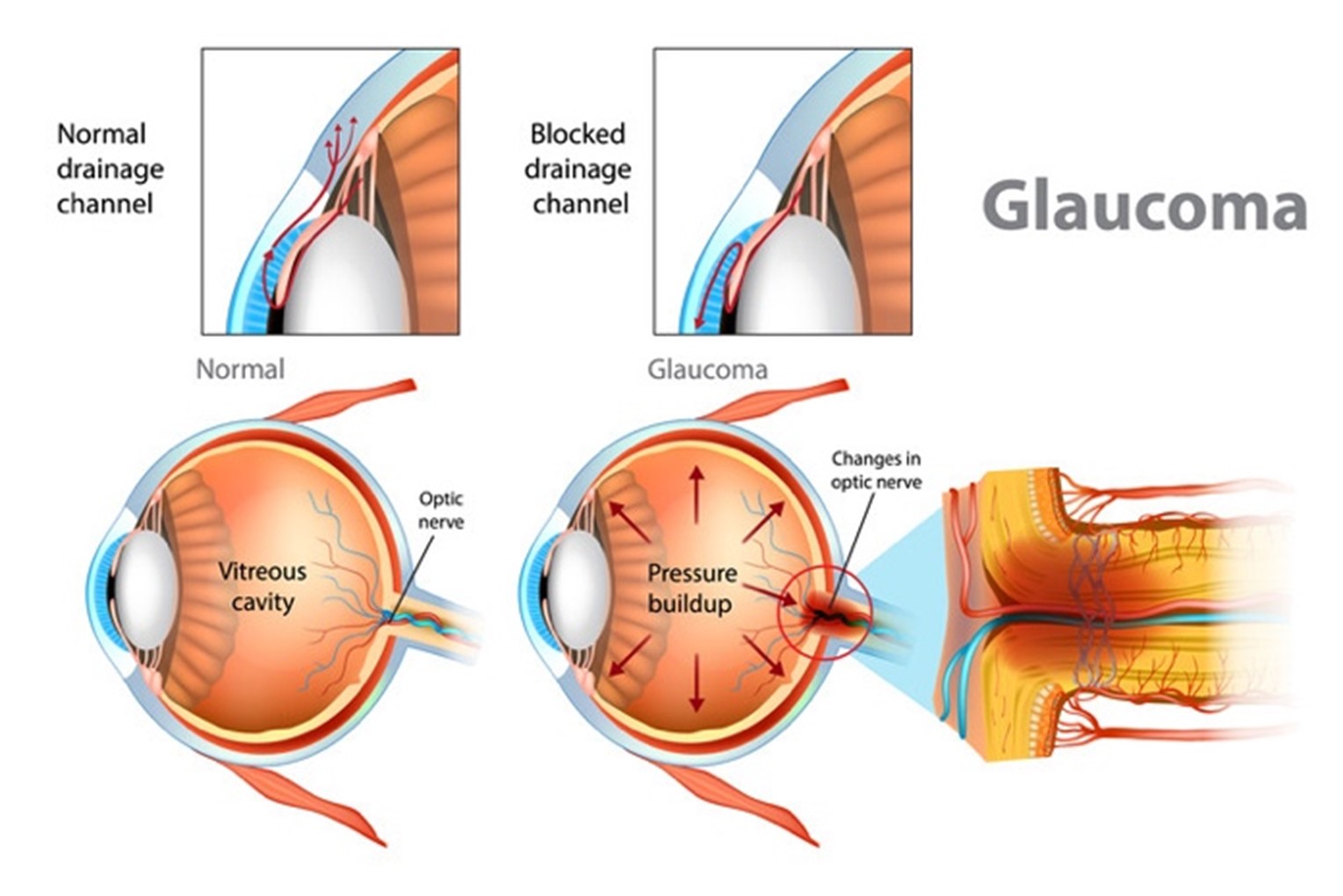
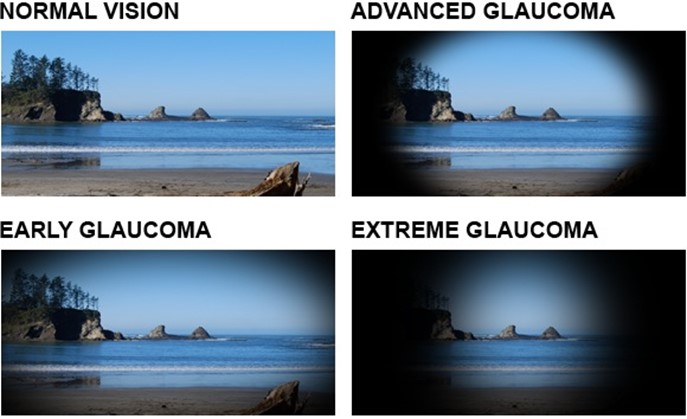
Glaucoma is an eye condition characterized by an elevated or unstable eye pressure which cannot be sustained without damage to the eye’s structure or impairment to its function. The increased or unstable eye pressure may cause damage to the optic nerve, resulting in a loss of visual field (losing certain parts of your vision).
The risk factors of glaucoma include a positive family history of glaucoma, older age, co-existing systemic conditions such as diabetes and hypertension, co-existing eye conditions such as high myopia or previous eye injury, and use of steroids.
Glaucoma can be classified into acute or chronic. Acute glaucoma is due to a sudden increase in eye pressure, causing a sudden onset of pain, redness and blurred vision in one or both eyes. Headache, nausea and vomiting may present as well. Urgent treatment is necessary to lower the eye pressure in order to preserve vision. Chronic glaucoma is often referred as “thief of vision” as vision loss is progressive with side vision usually being affected first. Vision loss may not be noticed until the advanced stages.
The treatment for glaucoma is to lower the eye pressure to an acceptable level whereby there is no further damage to the optic nerve. This can be achieved using either eye drops, surgery or laser treatment.
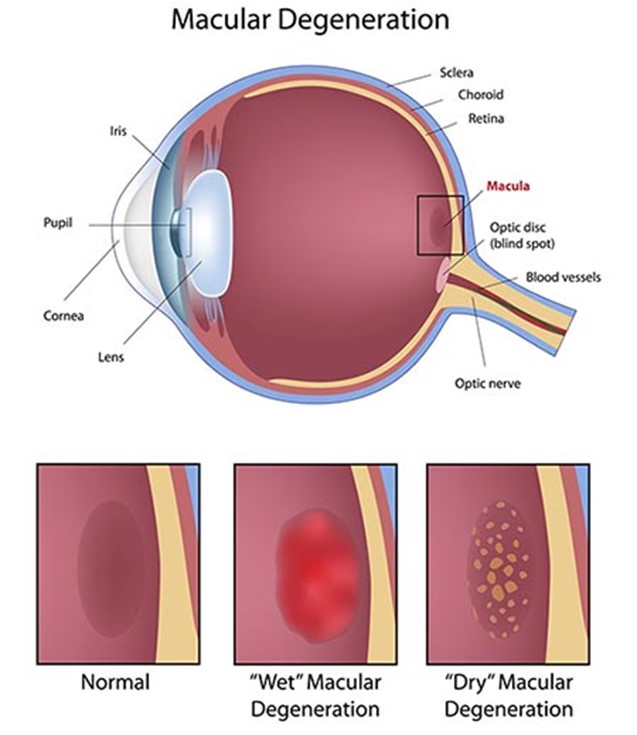
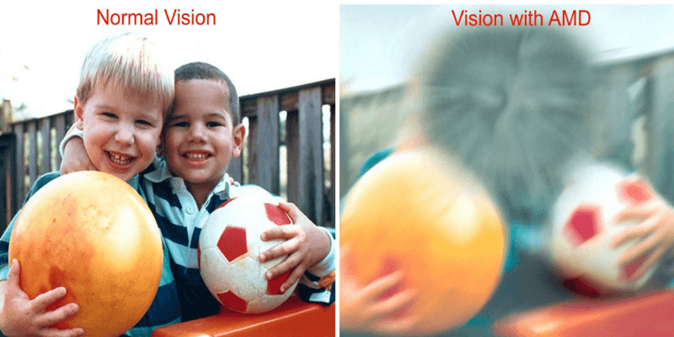
AMD is an eye condition found in a large percentage of elderly patients (and sometimes middle aged ones) in which there is a degeneration of the macular cells in the retina. The macula is responsible for our central vision and it also maintains our sharpest vision - which determines our ability to read, recognize faces, drive, use our digital devices as well as to perform any other detailed visual task.
Early signs of AMD can include shadowy areas in your central vision or blur and/or distorted vision. Wavy or distorted words may be noticed when reading, and other symptoms include difficulty seeing details in poor lighting conditions and glare sensitivity.
AMD is associated with aging, but research suggests there may be a genetic component and smoking is also highly correlated to this eye condition.
AMD occurs in two types – early stage or dry and advanced stage or wet, and the treatment for each type varies. There are no FDA-approved treatments for early stage or dry AMD but nutritional supplement can reduce the risk of dry AMD progressing to wet AMD. Advanced stage or wet AMD is more sight-threatening and one of the treatment options is to inject medicine directly into the affected eye.

Copyright 2021 © icareanywhere